
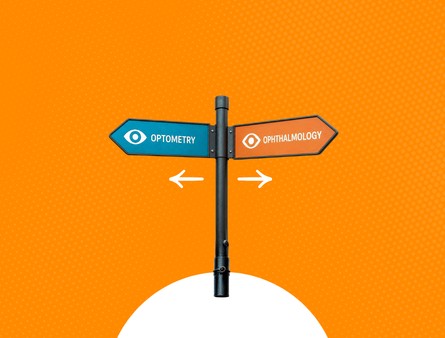
When comparing Optometry vs Ophthalmology, the better career path depends on your lifestyle goals. Optometry offers a faster path to practice, a predictable work-life balance, and excellent patient-focused primary Eye Care. Ophthalmology requires longer and more demanding medical training, but it provides a higher earning potential, surgical opportunities, and the ability to treat complex eye diseases that can threaten vision.
At Eye to Eye Careers, we help aspiring Eye Care professionals explore career opportunities that match their interests, skills, and long-term goals. Whether you are considering Optometry or Ophthalmology, understanding the differences in education, responsibilities, income potential, and lifestyle can help you make a confident career decision.
When people compare Optometry vs Ophthalmology, they often want to know who does what. Both jobs help people take care of their eyes. Both help people see better and keep their eyes healthy. However, they do different kinds of work.
An Optometrist is an Eye Doctor who helps with everyday Eye Care. They earn a Doctor of Optometry (OD) degree. Optometrists check your eyesight during eye exams. They help find out if you need glasses or contact lenses. They can also find common eye problems and help treat them.
Many people visit an Optometrist for regular eye checkups. They help people keep their eyes healthy and make sure they can see clearly. When people look at Ophthalmology vs Optometry, Optometrists are usually the first Eye Care professionals they visit.
An Ophthalmologist is a medical doctor who takes care of eye diseases and injuries. They earn an MD or DO degree and complete extra medical training. Ophthalmologists treat serious eye problems. They can perform eye surgery when a person needs special treatment. They also help people with eye diseases that could lead to vision loss. These doctors often care for people who have more complex eye conditions.
The main Ophthalmology vs Optometry difference is the type of care they provide.
An Optometrist:
• Checks eyesight
• Performs eye exams
• Prescribes glasses
• Prescribes contact lenses
• Treats common eye problems
An Ophthalmologist:
• Diagnoses serious eye diseases
• Treats complex eye conditions
• Performs eye surgery
• Prescribes medicine
• Provides advanced Eye Care
Both careers are important. They work together to help people protect their vision and eye health. Many employers also use an Optometrist recruitment agency to find skilled professionals who can provide quality Eye Care in their communities.
When comparing Optometry vs Ophthalmology, one of the biggest differences is the amount of education and training each career requires. Both paths start with college, but the steps after that are very different. The right choice depends on your career goals, the type of work you enjoy, and how much time you want to spend in school and training.
An Optometrist helps people with routine Eye Care and vision needs. The education path is shorter than the path to becoming an Ophthalmologist.
The first step is to complete a four-year bachelor's degree. Many students study biology, health sciences, or a related subject. This helps them build a strong foundation in science.
After college, students attend Optometry school. This usually takes four years.
During Optometry school, students learn how to:
• Perform eye exams
• Test vision
• Prescribe glasses and contact lenses
• Find common eye conditions
• Help clients maintain healthy vision
After graduation, students must pass licensing exams. A license allows them to practice as an Optometrist and provide Eye Care services. For many people comparing Ophthalmology vs Optometry, the shorter education path is one reason they choose Optometry.
An Ophthalmologist is a medical doctor who treats eye diseases and performs surgery. This career requires more education and training.
Like Optometrists, future Ophthalmologists begin with a four-year bachelor's degree. Many students choose science-related majors to prepare for medical school.
After college, students attend medical school. Medical school usually takes four years. Students learn about the human body, diseases, treatments, and patient care. They also gain experience working with clients in healthcare settings.
After medical school, graduates complete an internship. This gives them hands-on experience working with clients and healthcare teams.
Next, they enter an Ophthalmology residency program. Residency provides advanced training in Eye Care and surgery.
During residency, doctors learn how to:
• Diagnose eye diseases
• Treat serious eye conditions
• Perform eye surgery
• Manage complex cases
Some Ophthalmologists choose to complete a fellowship after residency. A fellowship provides extra training in a specific area of Eye Care.
Examples include:
• Retina care
• Glaucoma treatment
• Cornea care
• Pediatric Eye Care
This extra training helps doctors develop specialized skills.
Optometrist
• Bachelor's degree
• Optometry school
• Licensing exams
• Start practicing
• Shorter education path
• Focus on primary Eye Care
Ophthalmologist
• Bachelor's degree
• Medical school
• Internship
• Residency
• Fellowship optional
• Focus on medical and surgical Eye Care
The biggest Optometry vs Ophthalmology difference is the amount of training required. Optometrists complete college, Optometry school, and licensing exams. Ophthalmologists complete college, medical school, an internship, a residency, and sometimes a fellowship.
This Ophthalmology vs Optometry difference means Ophthalmologists spend more years in training before they can practice on their own. Students who want help finding career opportunities after graduation often use Optometry job placement services to connect with employers and explore available positions in the Eye Care field.
When people compare Optometry vs Ophthalmology, they often want to know what each person does during the day. Both help people take care of their eyes. However, their jobs are different.
An Optometrist helps people with their everyday Eye Care needs. They work with clients who need help seeing clearly and keeping their eyes healthy.
Optometrists check how well people can see. They look for signs of common eye problems. They help clients keep track of their eye health.
Optometrists test a person's eyesight. These tests help show if someone needs glasses or contact lenses. They help clients see more clearly at school, work, and home.
Optometrists help clients choose contact lenses. They make sure the lenses fit well. They also teach clients how to use and clean them safely.
Optometrists explain how to care for the eyes. They share simple tips to help protect vision. Many people who research Ophthalmology vs Optometry learn that Optometrists often provide routine Eye Care.
An Ophthalmologist is a medical doctor who treats serious eye problems. They help clients who need advanced medical care.
Ophthalmologists perform eye surgery. They help fix problems that glasses or contact lenses cannot correct. Their work can help protect or improve a person's vision.
Ophthalmologists care for clients with eye diseases. They create treatment plans and check a client's progress. They help people manage serious eye conditions.
Some eye problems need fast treatment. Ophthalmologists help clients with eye injuries and sudden vision changes. Quick care can help save eyesight.
Ophthalmologists provide special treatments for complex eye problems. They use advanced skills and medical training to help their clients.
The main Optometry vs Ophthalmology difference is the type of care they provide each day. Optometrists focus on eye exams, vision tests, glasses, and contact lenses.
Ophthalmologists focus on surgery, serious eye diseases, and advanced treatments. This Ophthalmology vs Optometry difference helps many students choose the career path that fits their goals. People who want to learn more about Eye Care careers can explore Optometry job listings to see what jobs are available and what employers look for.
When people compare Optometry vs Ophthalmology, they often look at pay. Both jobs can pay well. However, Ophthalmologists often earn more money.
Optometrists help people with routine Eye Care. They often earn a good income.
Pay can change based on:
• Location
• Experience
• Practice size
Some Optometrists own their own offices. This can help them earn more money.
Ophthalmologists are medical doctors. They treat eye diseases and perform surgery. Because of this, they often earn higher salaries. Some also earn more through eye surgery and special treatments.
Several things can affect pay:
• Where you work
• How long you have worked
• Your specialty
• Whether you own a practice
When looking at Ophthalmology vs Optometry, many people notice the difference in earning potential. One major Ophthalmology vs Optometry difference is that Ophthalmologists can perform surgery.
Another Optometry vs Ophthalmology difference is the amount of training needed before starting work. Some professionals also work with an Eye Care practice brokerage when they want to buy or sell a practice.
When comparing Optometry vs Ophthalmology, there is no single right answer. The best choice depends on your goals, interests, and the type of work you enjoy. Both careers help people protect their vision. However, the daily work, education, and career path are different.
Choose Optometry If You...
• Want fewer years in school
• Enjoy routine Eye Care
• Like helping clients during eye exams
• Want a more predictable schedule
• Value work-life balance
Choose Ophthalmology If You...
• Want to become a medical doctor
• Want to perform eye surgery
• Enjoy solving complex eye problems
• Want to treat serious eye diseases
• Want higher earning potential
Optometry may be a good fit if you want a shorter path to your career. You can start working sooner and spend more time helping clients with their daily vision needs. Many Optometrists enjoy building strong relationships with clients. They often see the same people year after year and help them maintain healthy vision.
For many people researching Ophthalmology vs Optometry, work-life balance is one of the biggest reasons they choose Optometry.
Ophthalmology may be a good fit if you enjoy medicine and want to treat serious eye conditions. Ophthalmologists perform surgery and care for clients with complex eye diseases. Their work can help save vision and improve quality of life.
One major Ophthalmology vs Optometry difference is that Ophthalmologists receive advanced medical training and can perform surgical procedures.
The biggest Optometry vs Ophthalmology difference is not just salary or education. It is the type of work you want to do every day. If you enjoy routine Eye Care and client interaction, Optometry may be the right path. If you enjoy surgery and advanced medical care, Ophthalmology may be a better fit.
Before choosing a career, it can also help to prepare for an Optometry job interview or speak with professionals already working in the Eye Care field. Their advice can help you make a confident decision.
Choosing between Optometry vs Ophthalmology can feel hard. Both careers help people protect their vision and eye health. The best choice depends on your goals, interests, and the type of work you enjoy. If you want help exploring your options, contact us today. Our team can guide you toward the Eye Care career path that fits you best.
An Optometrist helps people see clearly. They check eyesight, perform eye exams, and prescribe glasses or contact lenses. They also help find common eye problems and teach people how to keep their eyes healthy every day.
An Ophthalmologist is a doctor who treats serious eye problems. They can perform eye surgery and help people with eye diseases. They also provide special treatments to protect vision and help people keep their eyes working well.
Ophthalmologists usually make more money because they are medical doctors and can perform surgery. Optometrists also earn a good income. Pay can change based on experience, location, and the type of work they do.
Optometry takes less time to complete. Students attend college and Optometry school. Ophthalmology takes longer because students must finish medical school and extra training before they can work as Eye Doctors.
Choose Optometry if you enjoy routine Eye Care and helping people with vision needs. Choose Ophthalmology if you want to become a medical doctor and perform surgery. Both careers help people protect their sight and eye health.
.svg)
Get started


